For years, the smartphone industry followed a predictable, almost rhythmic cadence. Flagships arrived in the autumn with fanfare and thousand-dollar price tags, followed six months later by “lite” versions that trimmed the fat to reach a broader audience. But on February 5, 2026, Google officially shattered that timeline.
With the sudden release of a teaser video and confirmed launch details for the Pixel 10a, Google isn’t just releasing a new phone; it is signaling a fundamental shift in how we perceive “budget” technology. As the leaks solidify into official specs, it’s becoming clear that the Pixel 10a is designed to be the final nail in the coffin for the overpriced flagship.
A Design Language Reborn: Goodbye, Visor
The most immediate talking point of the Pixel 10a is its physical transformation. Since the Pixel 6, the “Camera Bar”—a thick, horizontal visor stretching across the rear—has been the series’ visual signature. While iconic, it was polarizing, often criticized for being bulky or catching on pocket edges.
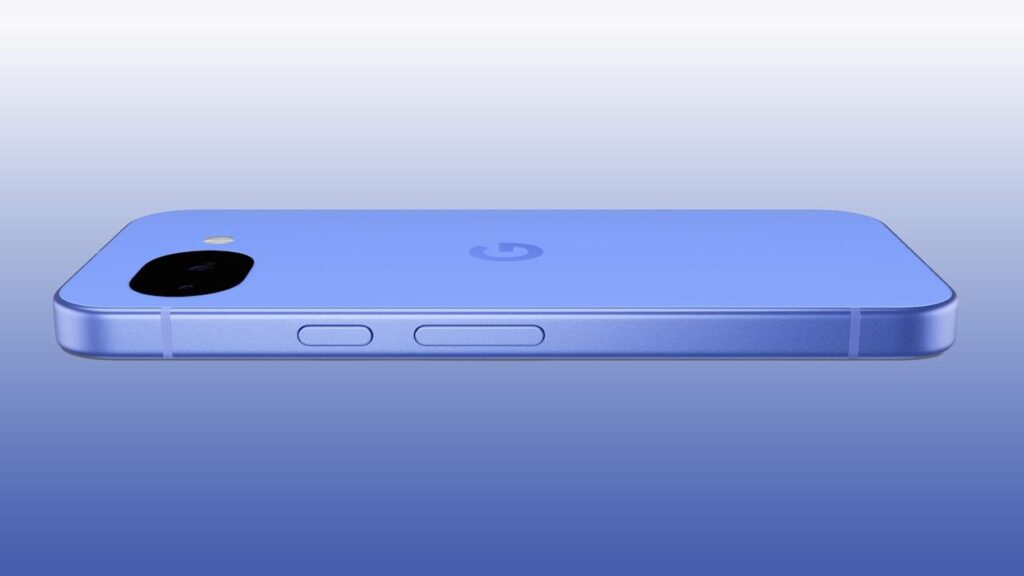
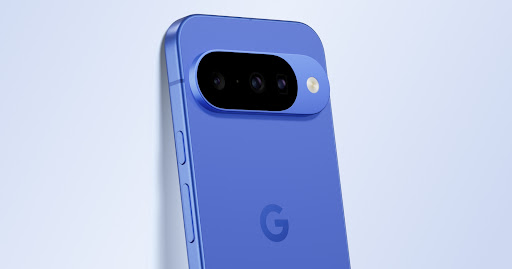
The Pixel 10a introduces a flush, pill-shaped camera module. This isn’t just an aesthetic choice; it’s a feat of engineering. By integrating the lenses nearly flat against the chassis, Google has created a device that feels significantly more modern and ergonomic.
The color palette also reflects a more playful, lifestyle-oriented approach. While Obsidian and Porcelain remain for the traditionalists, the new Aloe (a soft, organic green) and Iris (a deep, iridescent violet) suggest that Google is targeting a younger, design-conscious demographic that views their phone as a fashion accessory as much as a utility.
The Tensor G5: The Heart of the Machine
Under the hood lies the most controversial and exciting element of the Pixel 10a: the Tensor G5 chipset.
For years, Google’s Tensor chips were based on Samsung’s Exynos architecture. While capable, they often lagged behind Apple and Qualcomm in terms of raw power and thermal efficiency. The Tensor G5 changes the game. Built on TSMC’s 3nm process, this is the first chip designed entirely from the ground up by Google’s “Silicon Team.”
What does this mean for the average user?
- Thermal Mastery: No more overheating during 4K video recording or intense gaming sessions.
- Battery Longevity: Combined with a rumored 5,100 mAh battery, the efficiency of the 3nm process could push the Pixel 10a into “two-day battery” territory.
- On-Device AI: This is the G5’s true purpose. By moving the processing for Gemini (Google’s AI) from the cloud to the local hardware, the Pixel 10a can perform complex tasks—like live video translation or photo manipulation—without needing a data connection.
AI: From Gimmick to “Agentic” Assistant
In 2026, the term “AI” has evolved. It is no longer about chatbots that write poems; it is about Agentic AI—systems that take action on your behalf. The Pixel 10a is positioned as the primary vessel for this new era.
Google is expected to debut “Project Astra” features on the 10a. Imagine pointing your camera at a broken bicycle chain, and the AI doesn’t just identify the problem; it finds a YouTube tutorial, orders the specific replacement link from a local shop, and schedules time in your calendar to fix it. This level of proactive assistance was previously reserved for $1,200 “Pro” models. By bringing it to the A-series, Google is democratizing high-level productivity.
Furthermore, the Magic Editor has received a significant upgrade. The new “Re-imagine” feature allows users to change the lighting of a photo from high noon to golden hour or replace a cluttered background with a serene landscape, all with a single tap. The line between a $500 phone and a professional DSLR is blurring faster than ever.
Breaking the Value Proposition
The most aggressive move Google has made is the pricing. In an economy where flagship prices are creeping toward $1,200, the Pixel 10a is rumored to hold steady at $499 (approx. ₹44,999).
| Feature | Pixel 9a (2025) | Pixel 10a (2026) |
| Chipset | Tensor G4 (Samsung-based) | Tensor G5 (TSMC-based) |
| Display | 90Hz Refresh | 120Hz Actua Display |
| Camera Style | Raised Bar | Flush Pill-Design |
| AI Support | Cloud-based | Full On-Device Gemini |
By offering seven years of guaranteed software and security updates, Google is making a “buy it once, use it forever” argument. This longevity, combined with the new hardware, makes the Pixel 10a a nightmare for competitors like the Samsung Galaxy A-series or the iPhone SE, which often feel like “stripped-back” versions of their better selves.
Conclusion
The Google Pixel 10a represents a “coming of age” for the A-series. It is no longer the “cheap” Pixel; it is the smart Pixel. By combining a radically improved internal architecture with a sophisticated new design and industry-leading AI, Google is proving that you don’t need to spend four figures to live on the bleeding edge of technology.
As we approach the May 7 launch date, one thing is certain: the mid-range market will never be the same. The Pixel 10a isn’t just a phone; it’s a statement of intent.